Introduction
When people hear the term “dental crown,” they often picture a cosmetic treatment.
They imagine a damaged tooth being covered so it looks better when they smile.
Appearance is certainly part of the equation.
But for dentists, appearance is rarely the main reason a crown is recommended.
The bigger concern is strength.
Every day, your teeth handle an incredible amount of pressure. Whether you’re chewing a meal, biting into an apple, or simply speaking throughout the day, your teeth are constantly working.
A healthy tooth is designed to handle those forces.
A damaged tooth isn’t.
That’s where problems begin.
A tooth weakened by a large filling, a crack, decay, or years of wear may continue to function for a while. However, it often becomes more vulnerable to fractures and additional damage over time.
A crown helps solve that problem.
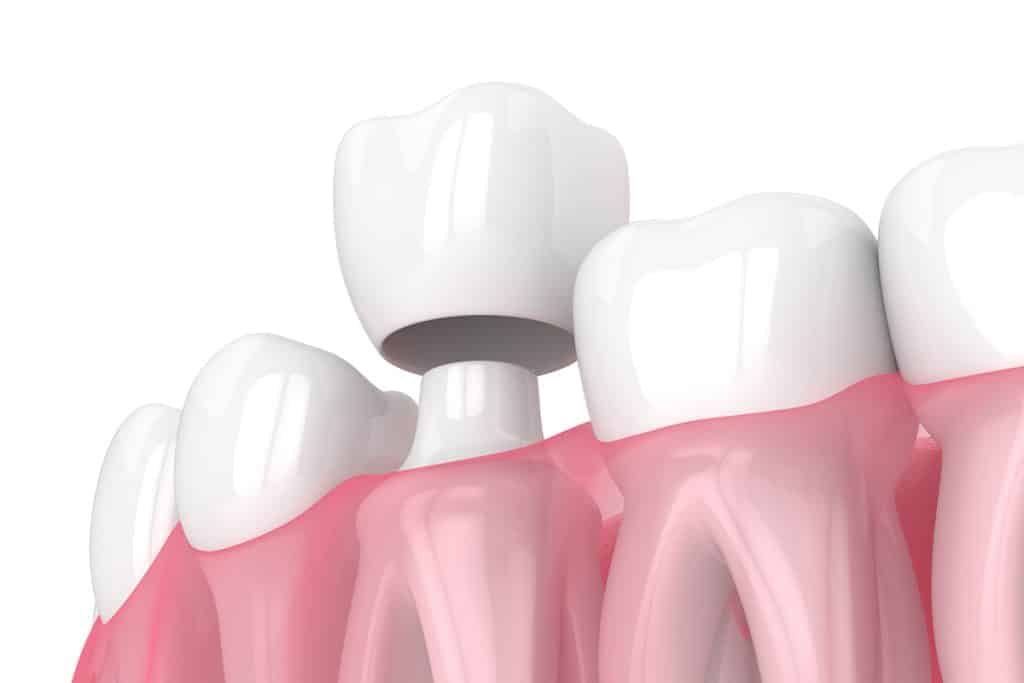
Rather than simply covering the tooth, it creates a protective structure that helps restore strength, improve function, and preserve the natural tooth whenever possible.
In this blog, we’ll explore how porcelain crowns in Vilonia, AR, work and how crowns help restore damaged teeth while supporting long-term oral health.
Why Restoring Strength Matters Just as Much as Appearance
Most people understand why a chipped or broken tooth might not be quite what you want to see. What they don’t always think about is the effect of that damage on the tooth’s function.
A tooth is not just a part of a smile; it’s a part of the working system.
Dentists often recommend crowns before a tooth is completely lost for this reason.
The goal is not just to fix the visible damage, but also to restore the structural integrity. A crown surrounds and protects the remaining tooth structure, helping to distribute chewing forces more evenly and reducing stress on vulnerable areas.
The outcome is usually straightforward for patients:
- The tooth feels comfortable to use again.
- The outcome is more important for dentists.
A natural tooth that may have continued to deteriorate now has the support it needs to be functional for years to come.
This is one reason crowns are among the go-to options for tooth restoration in Vilonia, AR.
How Does a Dental Crown Work?
1. Full Examination
The treatment begins with a detailed evaluation of the tooth. The dentist evaluates the tooth, the adjacent structures, and any restorations present.
2. Preparation of Tooth
When a crown is recommended, the tooth is carefully prepared. Some of the outer tooth structure is reshaped to make room for the crown while conserving as much healthy tooth material as possible.
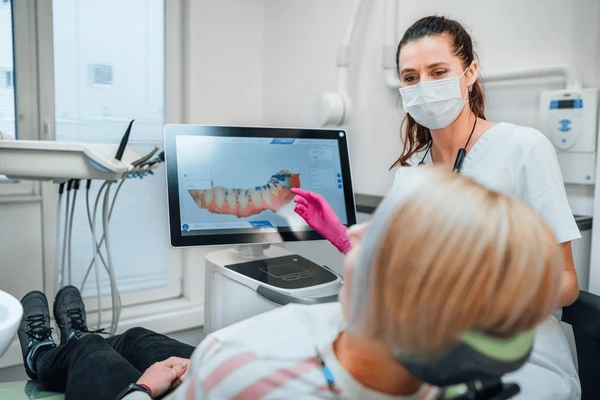
3. Digital Scans or Impressions
Detailed measurements of the tooth are taken. Some practices use digital scanning technology while others may use traditional impressions. These records help ensure the crown fits comfortably and works properly.
4. Crown Making
The collected measurements are used to make the crown. Materials may include porcelain, ceramic, zirconia, metal, or combinations, depending on the tooth location and treatment goals.
5. Final Positioning
After the crown is finished, it is carefully fitted and bonded to the tooth. The dentist checks comfort, bite alignment, and appearance before finalizing treatment. Once it is in place, the crown acts as a protective shell to help restore strength and function.
At A Glance
| Who Qualifies? | Patients with chipped or cracked teeth are ideal candidates to opt for a dental crown. |
| Process Overview | Step 1 The treatment starts with an initial visit to your crown dentist in Vilonia, AR. Step 2 Upon examining your condition, the dentist will begin the crown procedure. Step 3 Following the treatment, the dentist will suggest aftercare and recovery tips. |
| Timeline | A dental crown procedure requires more than a single visit and can take anywhere from weeks to months to complete. |
| Aftercare | Follow your dentist’s recommendations on diet and maintenance habits for a quick recovery. |
| Location & Contact | Lane Family Dentistry 17 Eagle Pk Dr, Vilonia, AR 72173, United States |
Benefits of Dental Crowns
Structural Strength Restored
If teeth are weak, a crown can be a great way to fortify them. The crown fits around whatever tooth structure remains, helping the tooth resist normal chewing forces that might otherwise cause further damage.
Protects Sensitive Areas
Big fillings and worn tooth surfaces, as well as cracks, often leave teeth more vulnerable to future problems. A crown serves as a shield, helping safeguard these weak spots from everyday stress.
Daily Comfort Enhanced
Patients with broken teeth are usually careful when they eat. A crown helps restore confidence by creating a stronger, more stable tooth that can manage normal day-to-day function more comfortably.
Improves Appearance
Strength is as important as appearance. Modern crowns are designed to look like natural teeth and help improve the appearance of chipped, worn, or heavily restored teeth while maintaining a natural smile.
Helps Maintain Natural Teeth
Dentists tend to want to keep the natural teeth for as long as possible. Crowns help in that direction by reinforcing teeth with healthy roots and supporting structures.
Long-term Reliability
If you take care of your teeth and see the dentist regularly, many crowns will last more than a decade. Due to their durability, dental crowns in Vilonia, AR, are one of the most trusted restorative solutions for protecting compromised teeth and maintaining long-term oral health.
Dental Crown Treatment in Lane Family Dentistry
A lot of times, when patients come into Lane Family Dentistry, they think a crown is being recommended because the tooth looks a certain way
Indeed, looks are often only part of the conversation.
The dental team also considers how well the tooth will function in the long term. Recommendations for treatment are based on the amount of tooth structure remaining, any existing restorations, the forces in the bite, and the future risk.
Some of them need a bit of extra help if your teeth are not strong enough to take the daily pressure. Others can be helped to protect themselves before a small problem becomes a big one.
At Lane Family Dentistry, our goal is to preserve natural teeth whenever possible with our crown treatments. Our goal is to keep our patients comfortable, functional, and confident with their smiles.
FAQs
1. When is a dental crown necessary?
If a tooth has extensive decay, a large filling, a fracture, significant wear, or has had root canal therapy, a crown may be suggested. The goal is usually to protect and strengthen the tooth before it becomes more damaged.
2. How long do crowns last in Vilonia, AR?
With proper oral hygiene and regular dental visits, many crowns will last 10 to 15 years or longer. Longevity depends on oral habits, bite forces, maintenance routines, and the condition of the supporting tooth.
3. Does getting a crown hurt?
Local anesthesia is often used during treatment to keep patients comfortable. Most patients experience little or no discomfort during the procedure itself and only mild sensitivity afterward as they get used to the restoration.
4. How much does a crown cost in Vilonia, AR?
The cost depends on the material selected, the condition of the tooth, and the complexity of the treatment. The dentist can evaluate your needs during a consultation and provide a customized treatment estimate.
5. What is the difference between a crown and a filling?
A filling repairs a specific damaged portion of a tooth, while a crown covers the entire visible portion. Crowns are often recommended when a tooth requires additional strength and protection beyond what a filling can provide.
Conclusion
Dental crowns aren’t just for cosmetically repairing broken teeth. The main job of these is to restore the strength and protection that weakened teeth need to continue to function well for a long time.
Crowns are an important part of today’s restorative dentistry. They help strengthen compromised teeth, improve comfort and aesthetics, and preserve the natural tooth structure as much as possible.
They allow patients to keep their teeth confidently while reducing the chance of future complications.
If you’ve been told you may need a crown, knowing what it does can help you make a more informed decision about treatment.
In many instances, a crown isn’t just about repairing a damaged tooth; it’s about providing that tooth with the strength it needs to continue to serve you for years to come.
Ready to explore more? Check out Lane Family Dentistry’s crowns today!