
General Dentistry
Restorative Dentistry
Cosmetic Dentistry
BOTOX
Emergency Dental Care
sleep apnea and snoring
dental technology
About Periodontal Disease
oral health and wellness
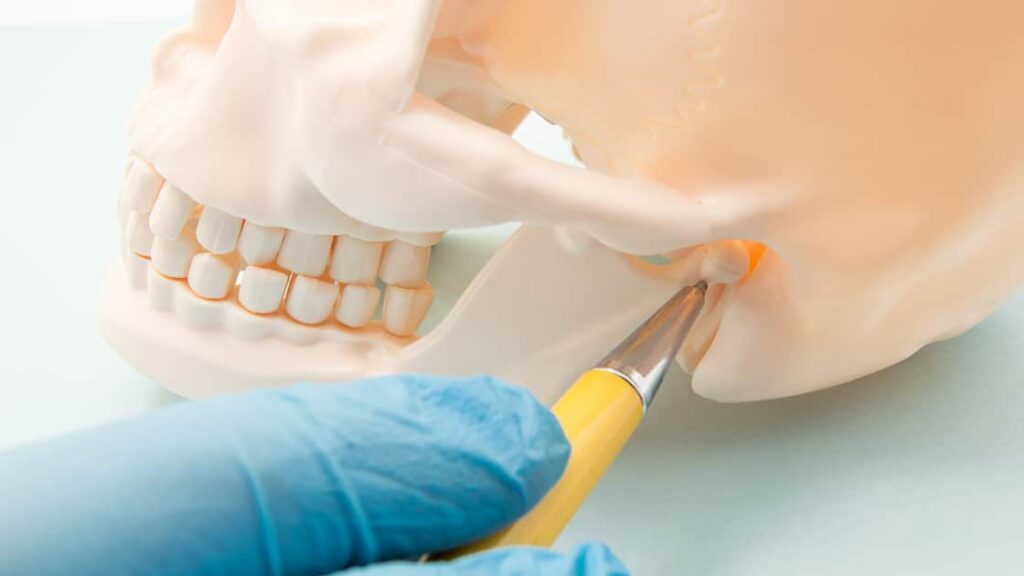
The temporomandibular joint (TMJ) connects the jawbone to the skull. TMJ disorders often cause discomfort in the cheek, jaw, or ear areas and can affect normal jaw function.
Throughout all the stress that we put our joints through, patients may not realize that the soreness or pain they are experiencing in their jaw or ears may be due to stresses on their temporomandibular joint.
In less severe cases TMJ disorders can be treated with self-managed care (eating soft foods, using ice packs, avoiding extreme jaw movement) or nonsurgical treatments (anti-inflammatory medications, Botox injections, or stabilization splints).
Custom Oral Appliances
We make custom-fitted night guards to alleviate stress on the temporal mandibular joint (TMJ) which may be resulting in soreness or pain.
Our office can fabricate custom appliances to help alleviate those stresses and prevent further damage and pain. Typically worn at night, these removable acrylic appliances can help provide relief from temporomandibular joint pain and other effects of grinding the teeth.
TMJ conditions fall into three main categories:
- Myofascial pain – discomfort or pain in the muscles that control jaw function (grinding teeth can result in this type of TMJ disorder)
- Internal derangement of the joint – a possible indicator of a displaced disc, dislocated jaw, or injury to the condyle
- Arthritis – a degenerative inflammatory disorder
Signs and symptoms of TMJ disorders are frequently intensified by stress and can include:
- Headaches
- Soreness in the cheek or jaw area
- Pain in or around the ears
- Facial pain
- Tight jaws
- Popping or clicking sounds when opening mouth
- Locking of the jaw
- Difficulty chewing
FAQ
Frequently Asked Questions
Have questions but prefer not to call? Browse our FAQs for quick answers and a better understanding of our dental office and services.
BOTOX® is a toxin produced by bacteria, the same bacteria that causes botulism, a severe form of food poisoning. Because of this many patients question the safety of this treatment. The key difference is that when the bacteria is ingested it can make you sick, but when it is injected into your skin, it does no harm. It is FDA approved for a variety of uses.
Doctors aren’t exactly sure how BOTOX® relieves migraines. But the theory is that it blocks the chemicals that transmit pain signals from your brain before they reach the nerves in your head and facial muscles.
By reducing the lines and wrinkles in your face and smoothing the muscles and skin around your forehead and eyes, BOTOX® can make your face appear more youthful. The signs of aging can be reduced but not reversed without more extensive treatments.
TMJ disorder is often caused by muscle tightness in the jaw and face. BOTOX® can relax the muscles in your jaw in the same manner, restoring range of motion in the jaw and decreasing swelling and inflammation.