
The Benefits & Importance of Dental Implants
General Dentistry
Restorative Dentistry
Cosmetic Dentistry
BOTOX
Emergency Dental Care
sleep apnea and snoring
dental technology
About Periodontal Disease
oral health and wellness
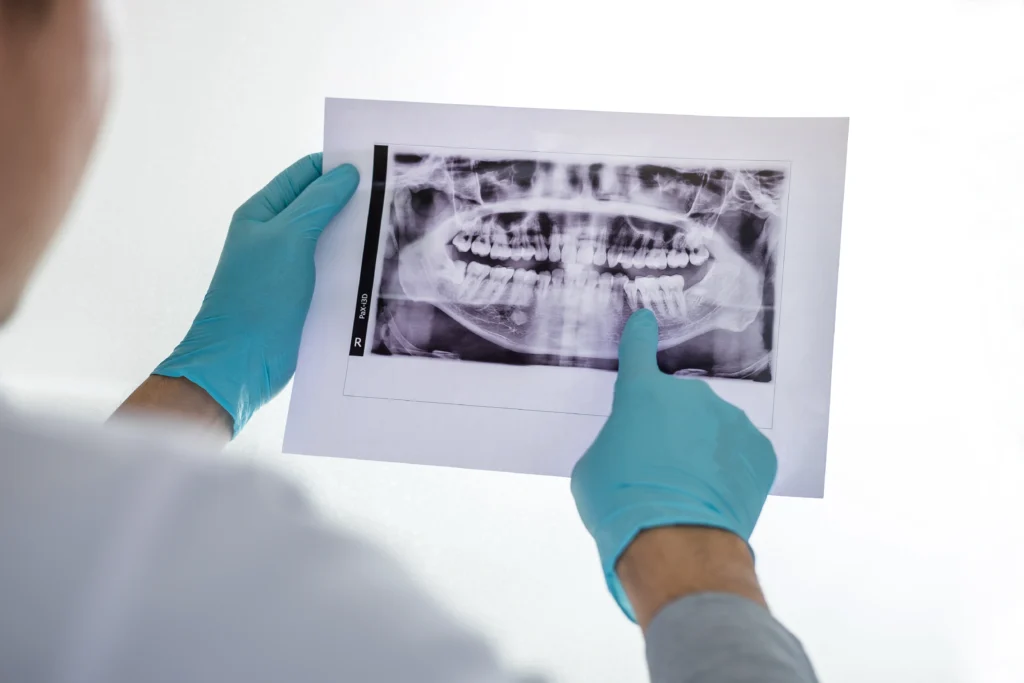
A healthy smile and the confidence it brings are reason enough to consider dental implants, but the health benefits are just as compelling. Whether one tooth or several need to be replaced, implants deliver a long-term solution that supports overall dental wellness.
Why should I consider dental implants?
Implants are the closest thing to natural teeth available in modern dentistry. Beyond filling the gap, they help protect bone structure, make it easier to chew nutritious foods, and give patients back the confidence to smile freely. They also provide structural support that helps protect neighboring teeth.
What happens when a tooth is lost?
Tooth loss sets off a chain of changes that aren’t always immediately obvious but can have lasting effects on health and appearance. Roots don’t just hold teeth in position — they keep the surrounding bone and gum tissue healthy. Once a root is gone, the jawbone in that area begins to shrink, which can destabilize adjacent teeth and contribute to the sunken facial look often seen in patients with significant tooth loss. It’s also the primary reason that dentures tend to become increasingly difficult to fit and keep in place over time.
How can dental implants help prevent bone loss?
An implant placed into the jawbone stimulates new bone growth around it through a process called osseointegration. This not only strengthens and maintains the bone but can reverse some of the volume loss and restore a more natural facial profile.
FAQ
Frequently Asked Questions
Have questions but prefer not to call? Browse our FAQs for quick answers and a better understanding of our dental office and services.
A bridge is placed as an anchor for artificial teeth to adjacent crowns. A dental crown is a cap placed over a damaged or weakened tooth to restore its shape and strength. Both are forms of restorative dentistry.
Both procedures serve several advantages, such as bite restoration, protection for compromised teeth, and support for jaw alignment and chewing function. They’re durable and can last over a decade with proper care.
Crowns require reshaping the natural teeth, and bridges could alter the health of adjacent teeth in exchange for its support. Bridges don’t prevent bone loss under the missing tooth like implants can, and if a supporting tooth fails, the entire bridge may need replacing.
Maintaining your oral hygiene, avoiding chewing hard objects, and regular check-ups with your dentist can ensure your restorations last for years.