General Dentistry
Restorative Dentistry
Cosmetic Dentistry
BOTOX
Emergency Dental Care
sleep apnea and snoring
dental technology
About Periodontal Disease
oral health and wellness
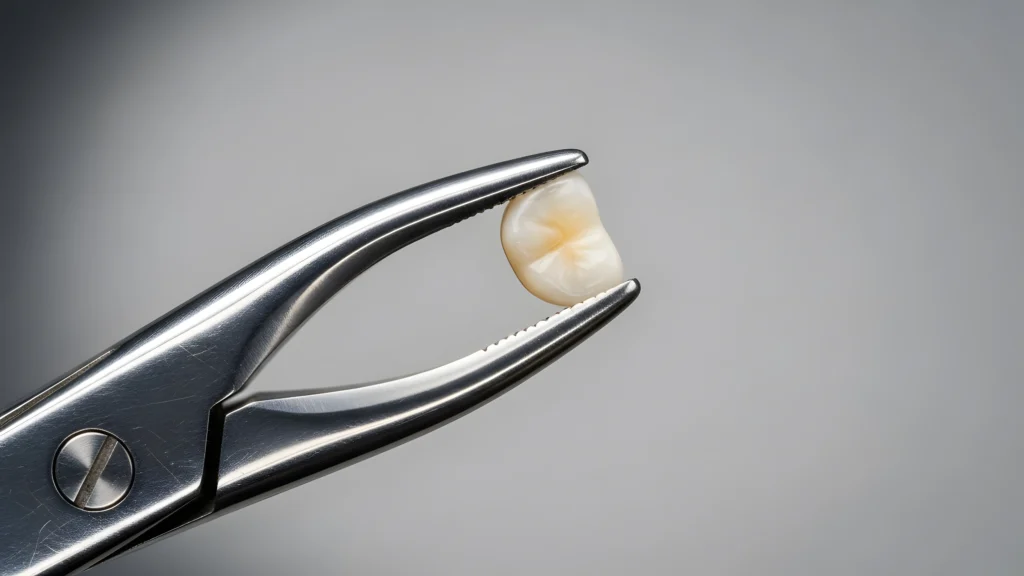
When a tooth is too damaged to repair, removal may be the best way to protect your oral health.
There are times when a tooth is simply too damaged to save and must be extracted. Whenever possible, our team works to restore teeth using fillings, crowns, or other restorative options. However, when a tooth is fractured, severely decayed, or poses a risk of infection that cannot be resolved otherwise, extraction may be recommended to protect your overall oral health. Most extractions are performed under local anesthesia for comfort. Once the tooth is removed, gauze pads are placed over the socket for the patient to bite down on to help stop bleeding. In some cases, stitches are placed and will either dissolve on their own or be removed at a brief follow-up visit.
Lane Family Dentistry provides a wide range of dental services in Vilonia, AR. Call 501-796-3903 to learn more and schedule an appointment.
FAQ
Frequently Asked Questions
Have questions but prefer not to call? Browse our FAQs for quick answers and a better understanding of our dental office and services.
A bridge is placed as an anchor for artificial teeth to adjacent crowns. A dental crown is a cap placed over a damaged or weakened tooth to restore its shape and strength. Both are forms of restorative dentistry.
Both procedures serve several advantages, such as bite restoration, protection for compromised teeth, and support for jaw alignment and chewing function. They’re durable and can last over a decade with proper care.
Crowns require reshaping the natural teeth, and bridges could alter the health of adjacent teeth in exchange for its support. Bridges don’t prevent bone loss under the missing tooth like implants can, and if a supporting tooth fails, the entire bridge may need replacing.
Maintaining your oral hygiene, avoiding chewing hard objects, and regular check-ups with your dentist can ensure your restorations last for years.