
General Dentistry
Restorative Dentistry
Cosmetic Dentistry
BOTOX
Emergency Dental Care
sleep apnea and snoring
dental technology
About Periodontal Disease
oral health and wellness
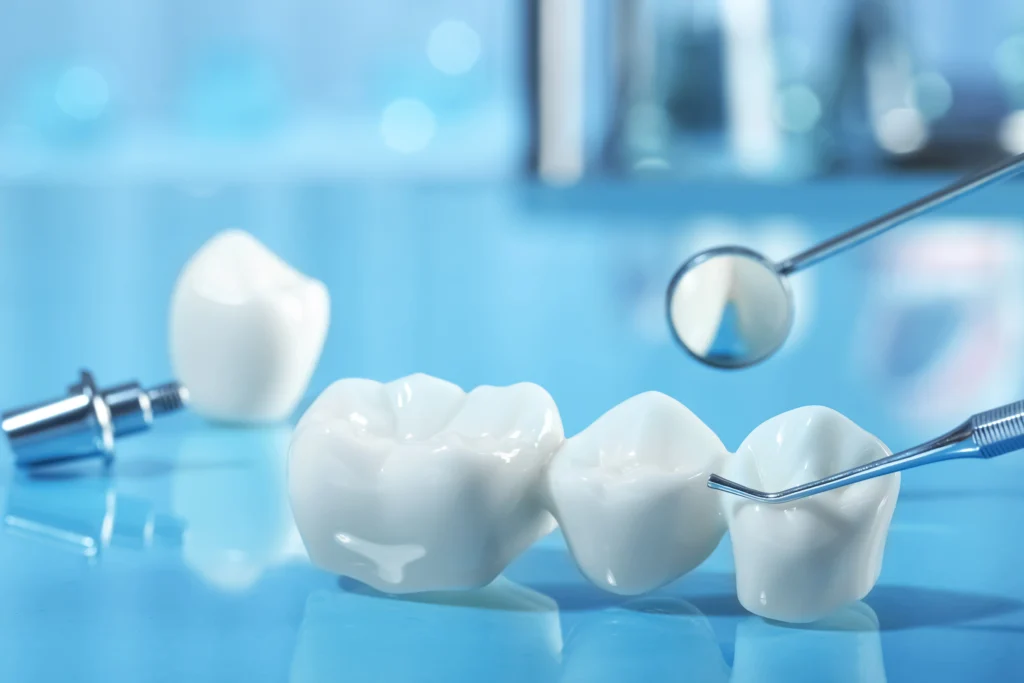
When a tooth has extensive decay, a dental crown often provides the best combination of function and aesthetics. Placing a crown allows the natural tooth to be preserved, which is always the preferred outcome since keeping natural teeth supports the surrounding bone and keeps neighboring teeth stable. The process starts with an impression used to build a model of your teeth and bite so the crown fits just right. The tooth is then shaped and another impression taken for the final crown. In some cases the permanent crown is seated the same day; in others, a temporary crown protects the tooth while the final restoration is being fabricated. With proper brushing, flossing, and dental care, a crown can last for many years.
Dental crowns come in four common types. Ceramic crowns are crafted from a porcelain-based material that closely resembles natural tooth enamel, making them a preferred choice for front teeth. Porcelain-fused-to-metal crowns offer reliable durability combined with a natural-looking finish, making them a versatile option for many patients. Gold alloy crowns are ideal when extra strength is needed, particularly for patients who grind their teeth. Base metal alloy crowns are strong and highly resistant to corrosion and are often selected when minimal natural tooth structure remains to support the restoration.
FAQ
Frequently Asked Questions
Have questions but prefer not to call? Browse our FAQs for quick answers and a better understanding of our dental office and services.
A bridge is placed as an anchor for artificial teeth to adjacent crowns. A dental crown is a cap placed over a damaged or weakened tooth to restore its shape and strength. Both are forms of restorative dentistry.
Both procedures serve several advantages, such as bite restoration, protection for compromised teeth, and support for jaw alignment and chewing function. They’re durable and can last over a decade with proper care.
Crowns require reshaping the natural teeth, and bridges could alter the health of adjacent teeth in exchange for its support. Bridges don’t prevent bone loss under the missing tooth like implants can, and if a supporting tooth fails, the entire bridge may need replacing.
Maintaining your oral hygiene, avoiding chewing hard objects, and regular check-ups with your dentist can ensure your restorations last for years.