How to Care for Your Dental Crown to Make It Last
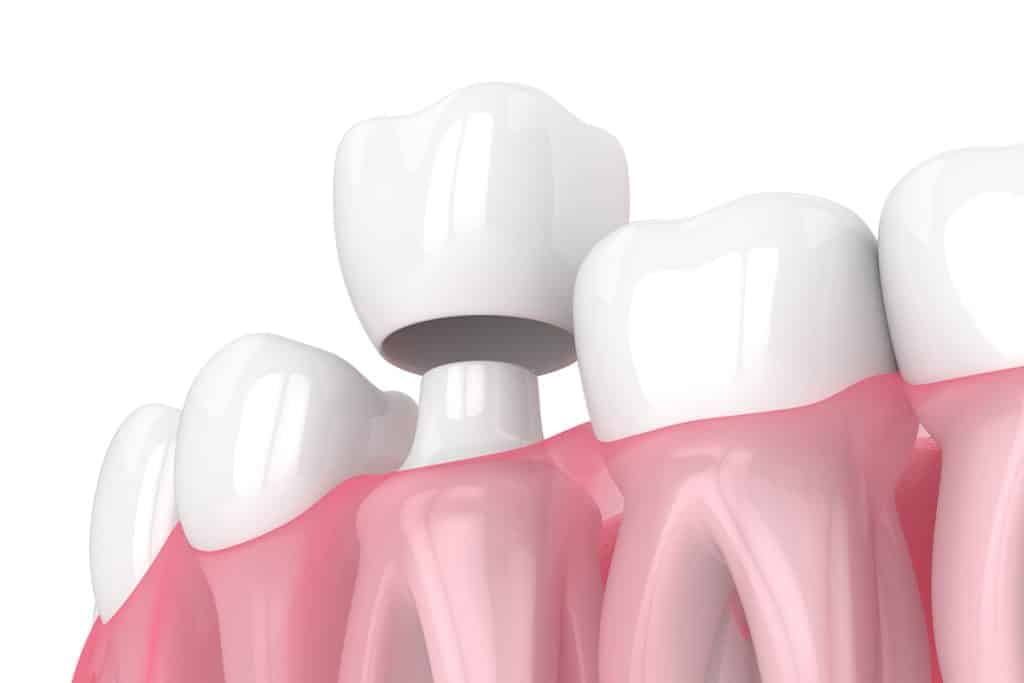
You have just invested time and resources into restoring your smile, and now you have a brand-new dental crown. It looks great, feels natural, and allows you to chew comfortably again. While crowns are designed to be durable and mimic the strength of your natural teeth, they are not indestructible. Just like your natural teeth, they require consistent care and attention to stay in top condition for years to come.
Many patients assume that because a crown is artificial—often made of porcelain, ceramic, or metal—it cannot decay or fail. While the crown itself won't get a cavity, the tooth structure underneath is still vulnerable to decay, and the gum tissue surrounding it is susceptible to gum disease. Without proper maintenance, the cement holding the crown can wash out, or the crown can fracture. We want to help you protect this investment. By following a few simple guidelines regarding hygiene, diet, and lifestyle habits, you can significantly extend the life of your restoration.
Master Your Daily Oral Hygiene Routine
The foundation of a long-lasting crown is impeccable oral hygiene. The most common reason a dental crown fails early is recurrent decay at the margin—the spot where the crown meets the tooth, right near the gum line. If plaque accumulates here, bacteria can seep beneath the crown, causing decay that is often difficult to detect until it becomes a significant issue.
We recommend brushing your teeth at least twice a day, but the technique matters just as much as the frequency. Use a soft-bristled toothbrush to avoid scratching the ceramic surface of the crown or irritating the gum tissue. Angle your brush at 45 degrees toward the gum line and use gentle, circular motions. This helps sweep away plaque bacteria that like to hide at the base of the crown. If you struggle with manual brushing, an electric toothbrush can be a fantastic tool for maintaining consistent pressure and thorough cleaning without being too abrasive.
Flossing is equally critical. You must floss once a day, preferably before bed, to remove food particles and plaque from between your teeth. When flossing around a crown, be mindful of your technique. Instead of snapping the floss down and popping it back up, which could theoretically loosen a crown (especially a temporary one), gently slide the floss down between the teeth, curve it around the base of the crown to clean the gum pocket, and then pull it out to the side. If you find flossing difficult, consider using interdental brushes or a water flosser. These tools are excellent for navigating around restorations and maintaining healthy, firm gum tissue.
Watch What You Eat
While dental crowns are strong, they do have limitations when it comes to mechanical stress. Porcelain and ceramic crowns are somewhat like glass—they are incredibly hard but can be brittle under specific types of pressure. To prevent fractures, chips, or crown loosening, we advise being mindful of certain foods in your diet.
Foods to Approach with Caution
- Sticky and Chewy Foods: Candies like caramel, taffy, and gummy bears act like strong glue. They can grab onto the crown and pull it loose from the underlying tooth structure. If you have a sweet tooth, opt for chocolate or quick-dissolving treats rather than sticky snacks.
- Hard and Crunchy Foods: Crunching on ice, hard candy, popcorn kernels, or nuts can exert excessive force on the porcelain. This sudden, concentrated pressure can cause the material to crack or chip.
- Raw Vegetables: While healthy, biting directly into tough raw vegetables like carrots or apples with a front tooth crown can be risky. We suggest cutting these healthy snacks into smaller, bite-sized pieces to reduce the stress on your restoration.
It is also essential to consider temperature sensitivity. Immediately after getting a crown, you might experience some sensitivity to hot and cold foods. This sensation is usually temporary. However, if you have persistent sensitivity that doesn't resolve after a few weeks, or if you feel pain when biting down, please let us know. It could indicate that the crown sits slightly too high or that the nerve inside the tooth is irritated. Avoiding extreme temperature shifts in your diet can help manage this sensitivity while your tooth settles.
Break Habits That Damage Restorations
Beyond brushing and eating, your daily subconscious habits play a massive role in how long your dental crown will last. Your teeth are tools for eating, not for opening packages. We see many chipped crowns resulting from patients using their teeth to tear open plastic bags, uncork bottles, or hold objects like pens or hairpins. These actions put unnatural leverage on the crown, which can cause it to pop off or break. Always reach for scissors or the proper tool instead.
Another major threat to dental crowns is bruxism, or teeth grinding and clenching. Many people grind their teeth at night without even realizing it. The force exerted during sleep grinding can be many times greater than the force during regular chewing. Over time, this constant pressure can wear down the opposing natural teeth and cause porcelain crowns to fracture or the cement seal to break.
If you suspect you grind your teeth or wake up with a sore jaw or headaches, please discuss this with us. We can fabricate a custom night guard for you. This simple plastic appliance acts as a protective barrier, absorbing the force of the grinding and preventing your top and bottom teeth from damaging each other. Wearing a night guard is one of the most effective insurance policies for your dental work. Similarly, if you play contact sports, wearing a mouthguard is non-negotiable for protecting both your natural teeth and your restorations from trauma.
Regular Checkups Ensure Longevity
Even with the best at-home care, professional supervision is necessary to ensure your crown remains functional and aesthetic. We recommend visiting the office every six months for a professional cleaning and exam. During these visits, we can inspect the margins of the crown to ensure they are sealed tight and free from decay. We also check the occlusion (your bite) to make sure the crown isn't hitting other teeth too hard, which can lead to trauma or breakage.
X-rays taken during these appointments allow us to see what is happening underneath the crown and inside the bone, spotting potential problems before they become painful emergencies. These visits are a vital component of restorative dentistry, ensuring that the work we have done continues to serve you well. We can also polish the porcelain to keep it smooth and stain-resistant, ensuring your smile stays bright. Taking a proactive approach to your dental health will save you time, money, and discomfort in the long run.
Frequently Asked Questions About Restorative Dentistry
How long should I expect my dental crown to last?
The lifespan of a dental crown depends mainly on the material used and how well you care for it. On average, a well-maintained dental crown lasts between 10 and 15 years. However, we frequently see crowns last 20 years or longer in patients who practice excellent oral hygiene and avoid harmful habits such as grinding. Conversely, poor hygiene or trauma can cause a crown to fail in just a few years.
Can a tooth with a crown still get a cavity?
Yes, this is a widespread misconception. While the artificial crown itself cannot decay, the natural tooth structure beneath it certainly can. Decay often starts at the "margin," which is the seam where the crown meets the tooth near the gum line. If plaque accumulates in this area, it can erode the tooth, eventually allowing bacteria to creep under the crown. This problem is why daily flossing and brushing are essential for protecting the tooth underneath.
We understand that navigating dental care can be confusing, but our team at Lane Family Dentistry is here to guide you every step of the way. We take pride in helping families in Vilonia maintain healthy, beautiful smiles through compassionate and expert care. If you have questions about your dental crown or need to schedule a checkup, please contact us today.